
Introduction
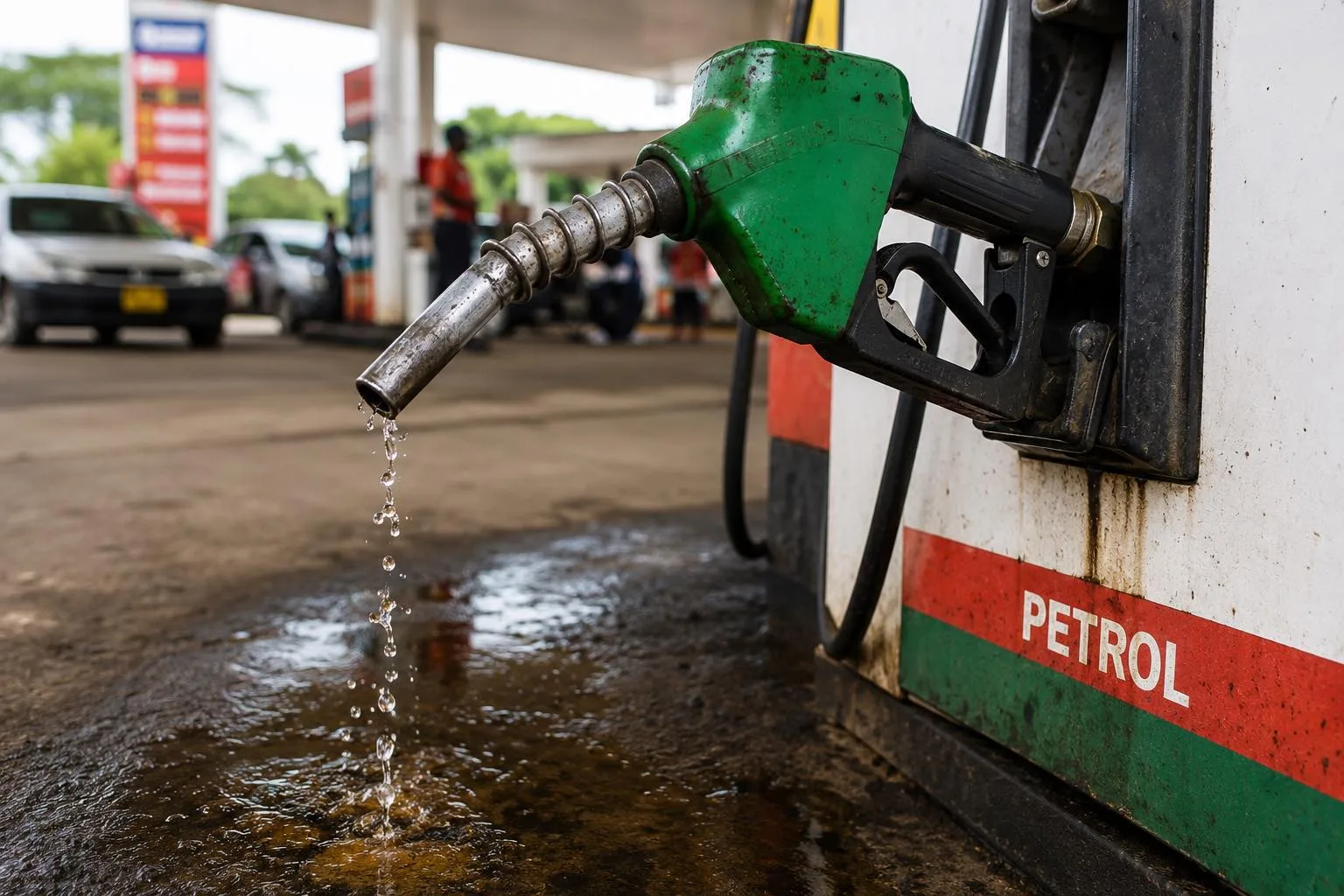
Fuel is the lifeblood of modern economies. In Kenya, where transport, agriculture, and manufacturing heavily depend on petroleum products, any disruption in fuel supply or price stability sends shockwaves across the economy. The ongoing fuel crises — marked by rising pump prices, supply chain bottlenecks, and geopolitical pressures — have become more than a local inconvenience. They are reshaping Kenya’s economic trajectory and influencing East Africa’s regional integration.
1. Anatomy of Kenya’s Fuel Crisis
- ✅Global Oil Price Volatility: Kenya imports nearly all its petroleum, making it vulnerable to global price swings.
- ✅Currency Depreciation: The weakening Kenyan shilling against the US dollar amplifies costs.
- ✅Supply Chain Disruptions: Port delays, refinery inefficiencies, and logistical bottlenecks worsen availability.
- ✅Policy and Subsidy Challenges: Government interventions, such as subsidies, provide temporary relief but strain fiscal budgets.
2. Direct Impact on Kenya’s Economy
🚗 Transport Sector
- ✅Rising fuel costs increase fares for matatus, buses, and boda bodas.
- ✅Logistics companies face higher operating costs, which trickle down to consumer prices.
🌾 Agriculture
- ✅Mechanized farming and irrigation rely on diesel.
- ✅Increased costs reduce farmers’ margins, leading to higher food prices and food insecurity.
🏭 Manufacturing
- ✅Energy-intensive industries (cement, steel, textiles) face higher production costs.
- ✅Reduced competitiveness in regional and global markets.
🛒 Consumer Prices
- ✅Inflation spikes as transport and production costs feed into everyday goods.
- ✅Household budgets shrink, reducing disposable income and slowing demand.
3. Regional Spillover: East Africa
Kenya’s economy is deeply intertwined with its neighbors. Fuel crises in Kenya ripple across East Africa in several ways:
- ✅Uganda, Rwanda, Burundi, South Sudan: These landlocked nations depend on Kenyan ports and transport corridors for fuel imports. Any disruption in Mombasa or Nairobi directly affects them.
- ✅Regional Trade Costs: Rising transport costs increase the price of goods moving across the Northern Corridor.
- ✅Integration Challenges: The East African Community (EAC) faces pressure as member states struggle with uneven fuel access and inflationary shocks.
4. Social and Political Dimensions
- ✅Public Discontent: Fuel price hikes often trigger protests and political pressure.
- ✅Equity Concerns: Rural and low-income households bear disproportionate burdens.
- ✅Policy Dilemmas: Governments balance between subsidies, taxation, and fiscal sustainability.
5. Long-Term Economic Risks
- ✅Stunted Growth: Persistent fuel crises slow GDP growth.
- ✅Investment Deterrence: High energy costs discourage foreign direct investment.
- ✅Debt Strain: Subsidy financing increases public debt, limiting fiscal space for development.
6. Opportunities Amid Crisis
Despite the challenges, the fuel crisis opens doors for innovation and resilience:
- ✅Renewable Energy Push: Solar, wind, and geothermal can reduce dependence on imported fuel.
- ✅Electric Mobility: E-bodas and electric buses are gaining traction as alternatives.
- ✅Regional Cooperation: Joint fuel reserves and harmonized policies could stabilize supply.
- ✅Digital Platforms: Apps like Balozy can empower verified professionals in logistics, energy installation, and maintenance — creating new service economies around resilience.
7. Case Study: Balozy and the Service Economy
The fuel crisis highlights the importance of verified hustle. Platforms like Balozy connect Kenyans to trusted service providers — mechanics, solar installers, logistics experts — who help households and businesses adapt.
- ✅Mechanics: Offering fuel‑efficient vehicle maintenance.
- ✅Solar Installers: Reducing reliance on diesel generators.
- ✅Logistics Providers: Helping SMEs optimize transport costs.
This digitalization of services strengthens resilience and creates new economic opportunities even in times of crisis.
8. Policy Recommendations
- ✅Diversify Energy Sources: Accelerate renewable adoption.
- ✅Strengthen Regional Corridors: Improve efficiency at Mombasa port and Northern Corridor.
- ✅Currency Stabilization: Manage forex reserves to cushion against dollar shocks.
- ✅Transparent Subsidy Frameworks: Ensure subsidies target the most vulnerable without ballooning debt.
- ✅Private Sector Partnerships: Encourage innovation in logistics, mobility, and energy.
Conclusion
Kenya’s fuel crisis is not just about pump prices — it is about the structural resilience of the economy. Its ripple effects across East Africa underscore the need for coordinated policies, innovation, and digital empowerment. By embracing renewable energy, electric mobility, and verified service platforms like Balozy, Kenya and its neighbors can turn crisis into opportunity, building a more sustainable and inclusive future.
